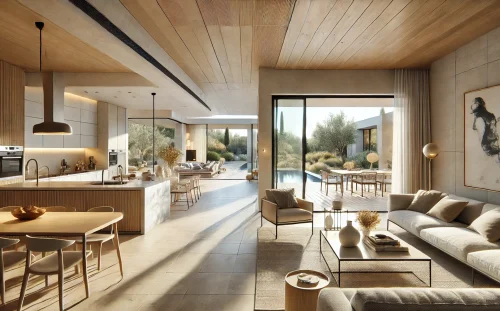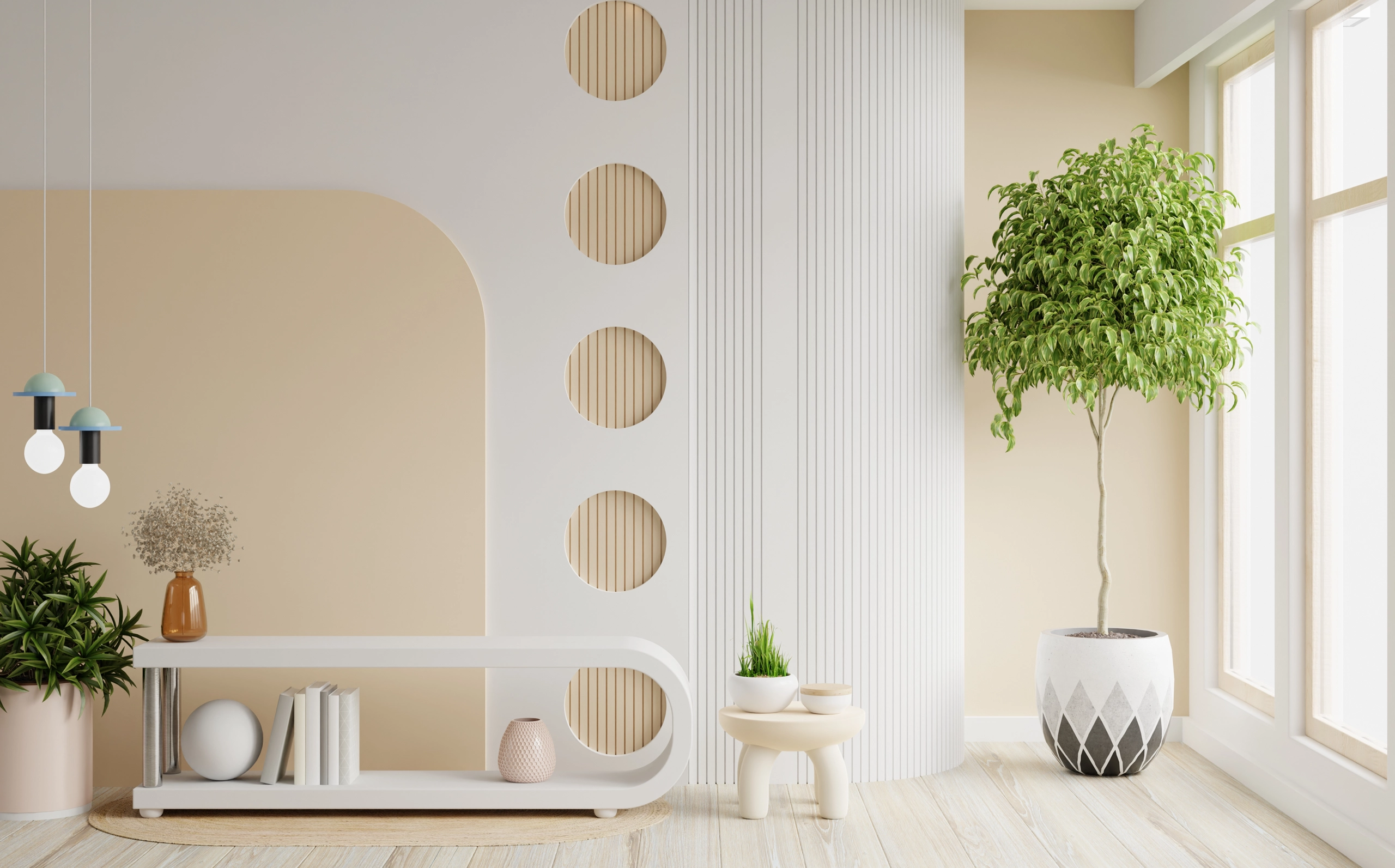
In a world where individuality has become the ultimate luxury, the creation of exclusive and personalized environments goes beyond simple decoration to become a profound expression of identity, lifestyle, and aspirations. Today, spaces must no longer be merely functional or aesthetically pleasing; they must tell a story, reflect the identity of those who inhabit them, and generate memorable experiences. At personalHOME, we share in this article the 8 keys to creating an exclusive and personalized environment.
Color and Atmosphere
The color palette of an exclusive space goes beyond trends. It is chosen based on its interaction with natural light, its impact on mood, and its relationship with the client’s meaningful objects.
Beyond the purely visual, color is used as a tool of emotional architecture. It involves studying how light moves through the room, softening colors and transforming the perception of space. A tone is not static; it must have enough depth to create enveloping atmospheres, acting as the common thread that unifies the visual narrative of the entire home without imposing itself on the personality of those who live there.
Materials with History
Personalized environments incorporate materials with history: reclaimed wood, natural stone, artisanal textiles, or recycled elements that are given new life.
This selection of materials adds a layer of authenticity that prefabrication can never match. The beauty of “perfect imperfection”—the unique grain of a stone, the patina of aged leather, or the irregular weave of handwoven linen—introduces a sense of permanence and warmth.
Scenographic Lighting
Lighting in an exclusive space functions as a multi-layered system that adapts to different moments. It combines ambient light to define the overall tone and accent lighting to highlight art or architecture, creating variable experiences.
To master light is to master the perception of volume and space. Through home automation, lighting ceases to be binary (on/off) and becomes a choreography of “scenes”: an ‘intimate dinner’ mode that lowers intensity and warms the atmosphere, or a ‘work’ mode that prioritizes clarity and focus.
Custom-Made Furniture
Customized furniture pieces are a clear expression of exclusivity: they adapt to the space and the user, respond to specific functions, and integrate technology invisibly.
Custom furniture is the haute couture of interior design. It allows every millimeter of architecture to be used, resolving complex junctions or irregular spaces with elegance. But its true value lies in uniqueness: from a library designed specifically to house a vinyl collection to a kitchen island with hidden compartments for specific gadgets.
Invisible Technology
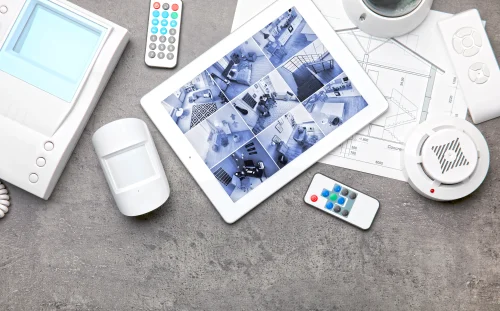
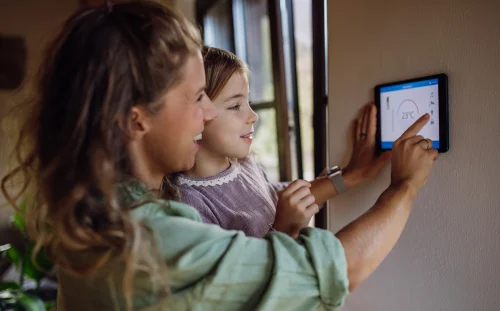
Modern exclusive environments integrate cutting-edge technology almost invisibly to enhance the experience without affecting aesthetics. Intelligent automation systems, zoned climate control, architectural audio, and discreet security are integrated subtly and efficiently.
True technological luxury is that which simplifies life without overwhelming the eye. We seek “digital calm”: screens hidden behind mirrors or art panels, speakers integrated into the ceiling structure itself, and sensors that anticipate needs without requiring constant commands.
The Importance of Art and Collections
A truly personalized space functions as the ideal stage for meaningful collections and works of art. The design is conceived from the outset in dialogue with these pieces, planning their placement according to sightlines, lighting, and the natural flow of the space.
It is not about decorating an empty wall at the end of the project, but about designing the space around the piece. Aesthetic factors are considered, such as creating neutral backgrounds that allow the art to breathe or generating bold contrasts that enhance it. In this way, the personal collection ceases to be an accessory and becomes the beating heart of the home.
Textures and Sensory Experience
Exclusivity is experienced through the senses. Textures are key; every surface invites interaction.
An exceptional design must feel as good as it looks. The contrast between the softness of velvet and the roughness of a limestone wall enriches the perception of the environment. By incorporating a subtle olfactory identity, the space is etched into memory, completing a 360-degree immersive experience.
Close Collaboration with the Client
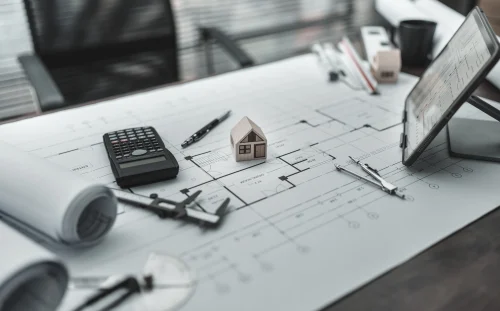
Creating an exclusive environment requires genuine collaboration between designer and client. More than a commercial relationship, a bond of creative trust is established. The designer must act as an interpreter, capable of deciphering not only what the client says, but what they feel and need but cannot yet verbalize. This process of co-creation ensures that the final result is not simply an imposed “designer signature,” but a faithful and elevated reflection of the owner’s identity. Transparency at every stage guarantees that the transition from plan to reality is smooth, exciting, and free of uncertainty.
The creation of exclusive and personalized environments is the pinnacle of contemporary interior design. It is not just about beautiful furniture or trends, but about spaces that authentically reflect those who inhabit them, respond to their needs, and enrich their daily lives. In a standardized world, a space designed with intention is more than a luxury: it is a refuge that tells your story and nourishes the soul of those who live in it.
Each of personalHOME’s projects expresses the personality, lifestyle, and values of its owners. What is yours?