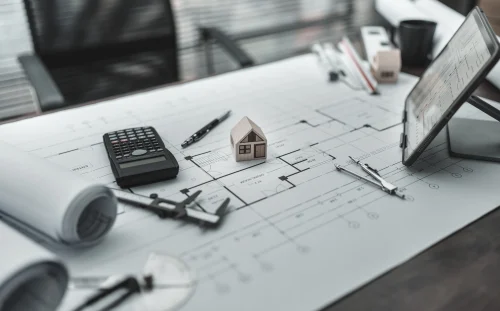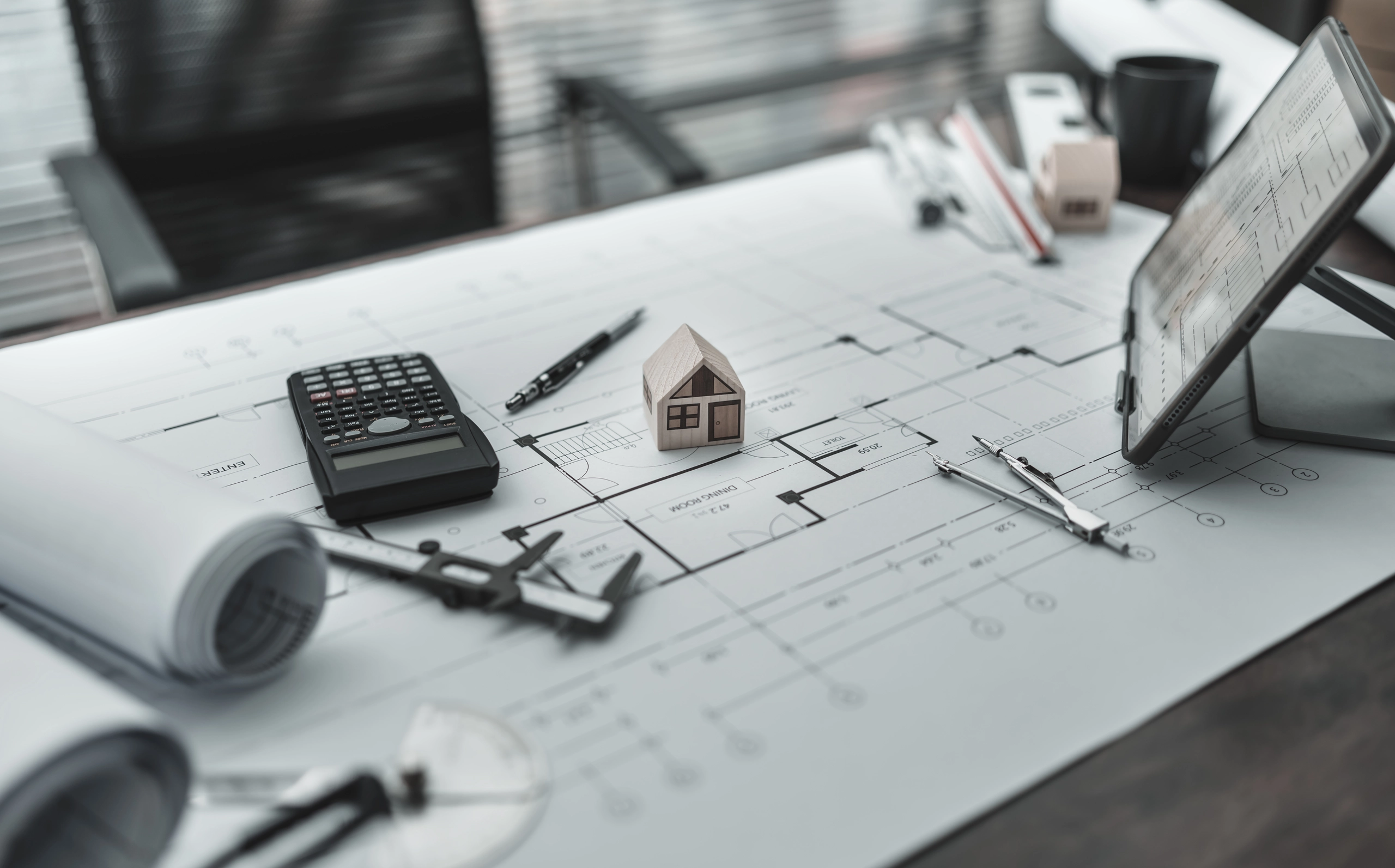
Building the house of your dreams is one of the most important and costly projects you will undertake in your life. However, most of the problems that arise during construction originate long before the first brick is laid: in the planning phase.
At personalHOME, we explain the 7 most common mistakes in planning the construction of a single-family home so you can save time, money, and above all, avoid unnecessary stress.
Not Clearly Defining the Budget from the Start
A common mistake is starting a project without clearly defining the real budget. Many people set an initial figure without considering unforeseen expenses, design changes, or fluctuations in material prices. For this reason, it is recommended to add between 15% and 20% extra to the estimated budget to cover possible contingencies.
- Practical tip: Request at least 3 detailed quotes and be cautious of offers that are excessively cheap (they often hide costs that appear later).
Skipping the Preliminary Study of the Land
Buying a plot without a prior geotechnical study can cause serious problems, such as unstable soil, high groundwater levels, contamination, or slopes that make the foundation more expensive. Carrying out this study is a small investment compared to the cost of fixing structural problems later.
- Practical tip: Commission the geotechnical study before signing the land purchase or, at the very least, include a clause in the contract that allows you to withdraw if the results are unfavorable.
Ignoring Urban Planning Regulations and License Procedures
Each municipality has its own urban planning regulations, which set rules such as buildability, maximum height, or the percentage of the plot that can be built on. If these are not consulted before designing a house, the project may have to be modified or even demolished.
- Practical tip: Before commissioning the project, request a preliminary consultation with the local council or hire a company that understands the regulations well and can advise you.
Not Thinking Long-Term When Designing Spaces
Designing a house only for current needs can be a mistake, since a home lasts for decades. If additional spaces, adaptations for elderly people or those with reduced mobility, and areas for remote work are not considered, costly renovations will likely be needed in the future.
- Practical tip: Reserve at least one room with a “multipurpose” function and design ground-floor bathrooms that are accessible from day one. Planning ahead costs little in the design phase but a lot during construction.
Choosing Materials Based on Price Without Considering Their Life Cycle
Choosing the cheapest materials may seem like an initial saving, but if they require a lot of maintenance or do not last long, the total cost ends up being higher. On the other hand, investing a little more in elements such as windows, insulation, or installations pays off in a few years thanks to savings—either in maintenance or energy bills.
- Practical tip: Ask your architect or building surveyor to calculate the life-cycle cost (initial + maintenance + energy) for the options you are comparing, not just the purchase price.
Underestimating the Time the Project Will Take
The construction of a single-family home usually takes between 12 and 24 months. Many homeowners estimate timelines that are too optimistic, which can lead to rushed decisions and additional expenses.
- Practical tip: Create a realistic schedule with the technical team and add buffer time between critical milestones. Administrative delays (licenses, inspections) are frequent and unpredictable.
Neglecting Energy Efficiency and the Orientation of the Home
South-facing orientation, the proper distribution of rooms according to sunlight, the use of overhangs or awnings to control summer light, and good insulation are design decisions that do not significantly increase project costs but greatly influence comfort and long-term energy consumption.
- Practical tip: Require that the project includes an orientation analysis and an energy performance study. A well-oriented home can reduce heating and cooling demand by more than 30%.
Conclusion: Good Planning Means Better Construction
The construction of a single-family home is a complex process that involves many stakeholders: architects, building surveyors, contractors, public administrations, and of course, the developer. Each of the mistakes described has a solution, and most can be avoided with time, information, and a good technical team by your side.
Remember, every euro invested in planning can save you ten during construction. Take the necessary time to properly prepare the project before laying the first brick, and building your home will be a satisfying experience rather than a source of stress.