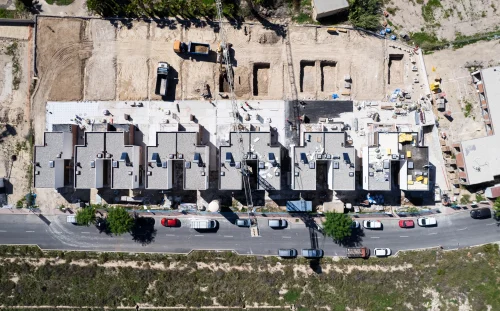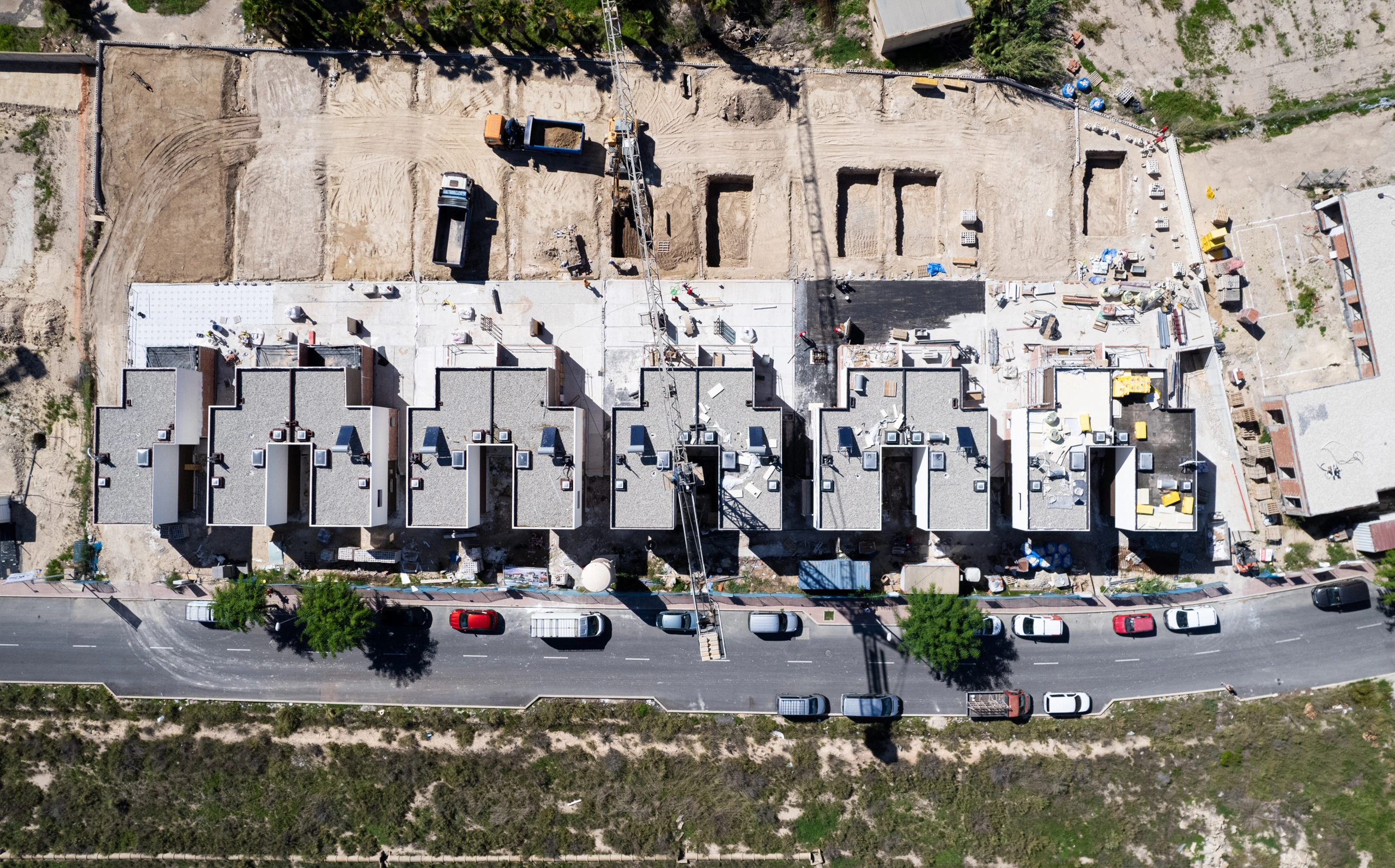
One of the biggest challenges a housing cooperative faces when launching a new project is finding the right plot of land. It must not only be affordable and comply with current urban planning regulations, but also fit the cooperative housing model and appeal to future cooperative members.
At personalHOME, we explain how we search for, select, and evaluate land to develop future housing cooperative projects.
1. Before You Start Looking: Define the Cooperative’s Needs
Before beginning the search for land, the cooperative should establish its key requirements: the expected number of homes, the type of development, the available budget, the preferred location, and its sustainability goals. Having a document that outlines these requirements will streamline the search process and help eliminate unsuitable options from the outset.
2. Where to Search for Land
Public auctions and public land: Publicly owned land can be an excellent option for housing cooperatives, as many government bodies make it available through tenders, auctions, or land concession programs. The main sources include the national government, local municipalities, the public land entity SEPES, and regional land agencies, some of which offer programs specifically designed for cooperative housing projects.
Specialized land brokers and industry platforms: We work closely with a carefully selected network of real estate professionals who specialize exclusively in land transactions. In addition, our team continuously monitors leading real estate portals and investment platforms to identify strategic opportunities before they become widely available on the open market.
3. Urban Planning Assessment: What to Check Before Getting Excited
Before negotiating the purchase of a plot, it is essential to verify its urban planning feasibility. The land must be designated for residential use compatible with the project and provide sufficient buildability to accommodate the planned number of homes.
It is also important to review factors such as maximum building height, plot coverage, setback requirements, mandatory public amenities, as well as any planning obligations or additional urban development costs. Carrying out this review in advance can help prevent legal and financial issues that could jeopardize the project.
4. Legal and Property Due Diligence
Once the urban planning assessment has been completed, the next step is to review the legal status of the land. This includes verifying ownership and any encumbrances through the Land Registry, ensuring that cadastral records match the registered property information, and checking for co-ownership arrangements or outstanding financial obligations. It is also advisable to investigate any history of contamination or previous land uses that could affect the project’s development.
5. Financial Assessment: Looking Beyond the Purchase Price
The cost of the land is only one part of the overall investment. Before purchasing, the cooperative should prepare a comprehensive feasibility study that includes all project costs, such as site development, professional fees, permits, construction, financing, and a contingency reserve for unexpected expenses. Working with an experienced cooperative project manager can simplify this process and help minimize risks.
6. Qualitative Factors That Also Matter
In addition to financial and planning considerations, it is important to assess factors such as the site’s orientation, access to public transportation, proximity to essential services, and the availability of utilities. The plot should also offer the possibility of creating shared communal spaces, as these play a key role in strengthening community life and supporting the cooperative housing model.
7. The Cooperative’s Decision-Making Process
The purchase of land should follow a structured and transparent decision-making process. The recommended approach is to carry out an initial technical screening, visit the most promising sites, prepare a feasibility report, and submit the final decision to the cooperative’s general assembly. Before completing the purchase, it is advisable to negotiate contractual conditions that protect the cooperative, such as clauses making the acquisition conditional upon urban planning approval or the necessary administrative authorizations.
Want to See How These Plots Become Thriving Communities? At personalHOME, we do more than help you find and evaluate the perfect plot of land—we support you throughout every stage of the cooperative housing development process. We invite you to explore the projects we already have underway: Visit our Cooperatives section and discover the communities we are building together.